Tesla Outlines Robot Training Strategy
The company detailed how its humanoid robots will learn tasks to prepare for commercial delivery.
By Gabriel Fedorov ·
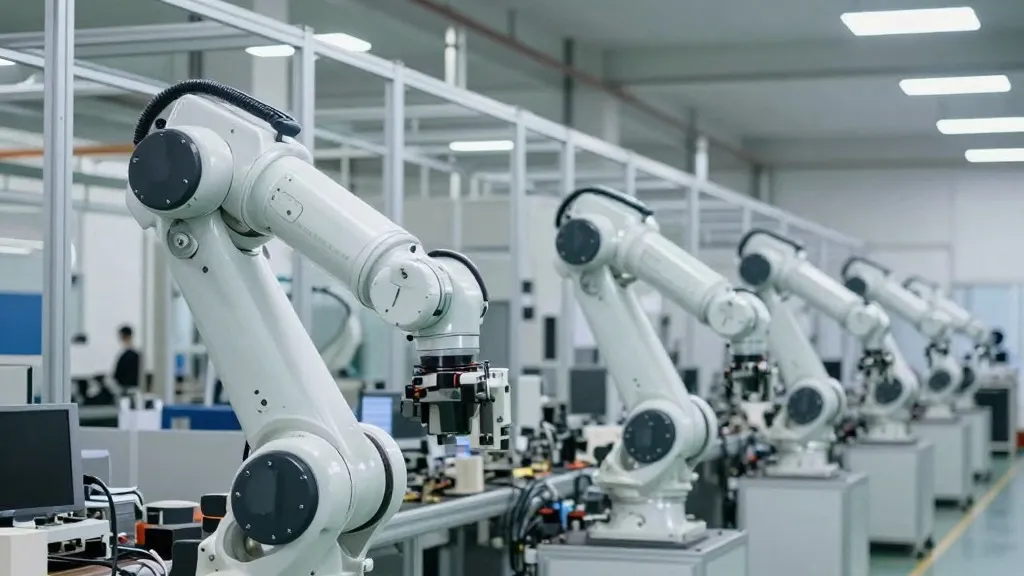
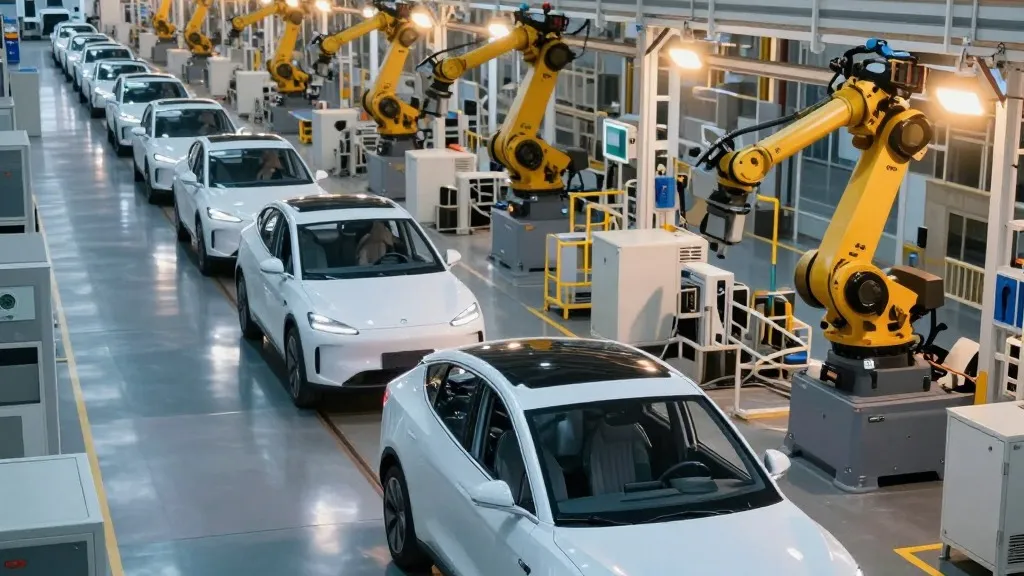
Tesla announced plans this week to utilize a dedicated training environment for its humanoid robots to prepare them for commercial release. According to the company's third quarter shareholder letter, production of the Optimus unit has begun on a high volume line established within the Fremont facility. Tesla states that the units emerging from this line represent the first production-quality models capable of meeting commercial standards.
The manufacturing line was installed in a space that previously assembled the Model S and Model X. Tesla cleared that area earlier this spring to install machinery designed to produce up to one million robots annually. On an earnings call, Elon Musk noted that while the equipment required for this capacity has largely arrived in Fremont, the output is currently set to ramp toward approximately 20,000 robots per week. Musk described the production ramp as a shallow slope at the beginning of a classic S curve.
To train the artificial intelligence governing these units, Tesla plans to operate an Optimus Academy. The company intends to have 10,000 to 20,000 robots practice various tasks within this program. The results of these exercises will be fed into the development of future model versions. Every unit coming off the Fremont line will contribute data to this training process.
Tesla executives also commented on the robot's physical design and cost. Production costs for the Optimus are trending toward the expected manufacturing cost for the Cybercab. The company has certified Tuopu, Joyson, and Sanhua as mass production partners for components. The hands remain the most difficult element of the design to engineer.
Future developments for the Optimus program are scheduled for the coming year. Tesla plans to integrate its AI5 chip into the robot next year. Musk expects refinement work on the AI, electromechanical design, reliability, and service life to be completed by the end of next year, when deliveries to outside companies are set to begin.
A new video of the robot performing tasks driven by AI rather than preprogrammed motions should be released within one or two months. Regarding production facilities, a larger Optimus factory at Giga Texas is rising, with a long term target of 10 million robots a year.
Source: Teslarati · original report published