
Quarter Century Since the Pocket Music Revolution
Twenty-five years ago, a small white device changed how people carried their audio collections, marking a pivotal moment in consumer electronics history.
By Megan Adeyemi ·
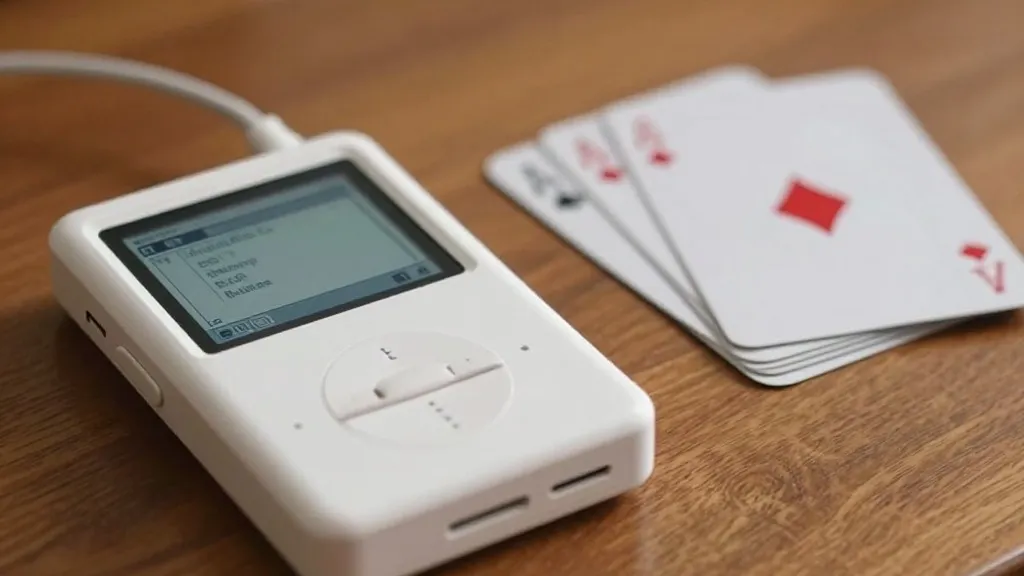
A quarter century ago, a small white device quietly reshaped how the world consumed music.
The story begins in the autumn of 2001, a period when the tech industry was still digesting the shock of the dot-com bubble burst. Apple, under the leadership of Steve Jobs, had already begun to recover its fortunes with the success of the iMac and the transition to Mac OS X. Jobs envisioned a future where the computer served as the central hub for all digital media, connecting cameras, video recorders, and portable players. He recognized that while competitors like Sony and Creative had entered the portable music market, none had yet perfected the user experience. Jobs identified hard-disk-based players as the optimal entry point, noting that the four existing categories of portable audio, CD, MP3 CD, flash, and hard drive, left room for a superior solution.
On that specific day, Jobs took the stage to unveil what he described as a breakthrough device that was not a Mac. The resulting product was the original iPod, a pocket-sized digital music player priced at $399. Its primary selling point was the ability to hold an entire music library in one’s pocket. With a storage capacity of 5GB, the device could accommodate approximately 1,000 songs, specifically typical pop tracks encoded as 160Kbps MP3s. For many users, this capacity represented their complete collection, making the device a significant upgrade from existing options.
The physical design was a critical part of the device's appeal. Leveraging Toshiba’s ultra-compact 1.8-inch hard drive, which was just 0.2 inches thick, Apple created a unit measuring 2.4 by 4 by 0.78 inches. Weighing only 6.5 ounces, it was lighter than most cell phones of that era and comparable in size to a standard deck of cards. Despite its small footprint, the player featured advanced capabilities, including 20-minute skip protection and fast file transfer speeds via a FireWire 400 cable. Jobs emphasized that this connection allowed a full CD of music to transfer in five to 10 seconds, a stark contrast to the roughly five minutes required by USB alternatives. Charging a depleted battery to 80 percent took just one hour, while the lithium-polymer battery supported 10 hours of continuous playback.
User interface and integration formed the other pillars of the product's strategy. The device featured a minimal, durable design with a scroll wheel that used a piezoelectric clicker for tactile feedback, allowing for one-handed operation. During the launch presentation, Jobs demonstrated the interface by playing Sarah MacLachlan’s “Building a Mystery.” The iPod also offered Auto-Sync functionality with iTunes 2, which launched simultaneously. This feature ensured that music libraries curated on a Mac remained synchronized with the portable player during charging or transfers. Additionally, the device could function as a FireWire hard drive.
The iPod’s dominance lasted for over a decade, sitting alongside the iPhone, which arrived in early 2007. However, as smartphones evolved to handle music playback natively, the standalone player gradually lost relevance. The final model, the seventh-generation iPod Touch, appeared in May 2019, though the product line was not officially discontinued until May 2022.
Today, the original iPod stands as a historical marker for the shift from desktop-centric media consumption to portable, personal audio experiences. It established a template for consumer electronics that prioritized design, usability, and seamless integration, influencing generations of devices that followed.
Source: Tom's Hardware · original report published