New venture aims to solve the U.S. shortage of military working dogs
A startup backed by $200 million plans to use gene editing and advanced tech to breed specialized dogs for defense and law enforcement.
By Noah Dvorak ·
The United States faces a growing dependency on foreign nations for the canine units that support its military and law enforcement operations. A new company has emerged from stealth mode with a proposal to reverse this trend by engineering dogs specifically for high-risk duties, securing $200 million in funding to begin the process.
Warhound, the newly revealed venture, was launched on Thursday with a valuation of $1.2 billion. The company received investment from Sequoia, 8VC, Corner Ventures, and In-Q-Tel, a venture firm associated with U.S. intelligence agencies. The project is a collaboration between Ben Lamm of Colossal Biosciences and Palmer Luckey of Anduril, who have known each other for about a year.
The core tension driving the venture is a dwindling domestic supply of fit working dogs. Warhound’s launch materials note that more than 80 percent of the U.S. military’s working dogs currently originate in Europe, and fewer than half of those are deemed fit for service. Lamm explained that many dogs fail training due to inherited issues such as poor vision, hip dysplasia, muscle atrophy, or a high likelihood of cancer.
To address these biological limitations, Warhound intends to use gene editing technology. The team has collected cell lines from top-performing breeds, including Belgian Malinois and German Shepherds, and placed them in a biobank. The plan is to add genes that enhance speed, agility, and olfactory sensitivity while removing those linked to health problems, creating a new type of dog suited for demanding missions.
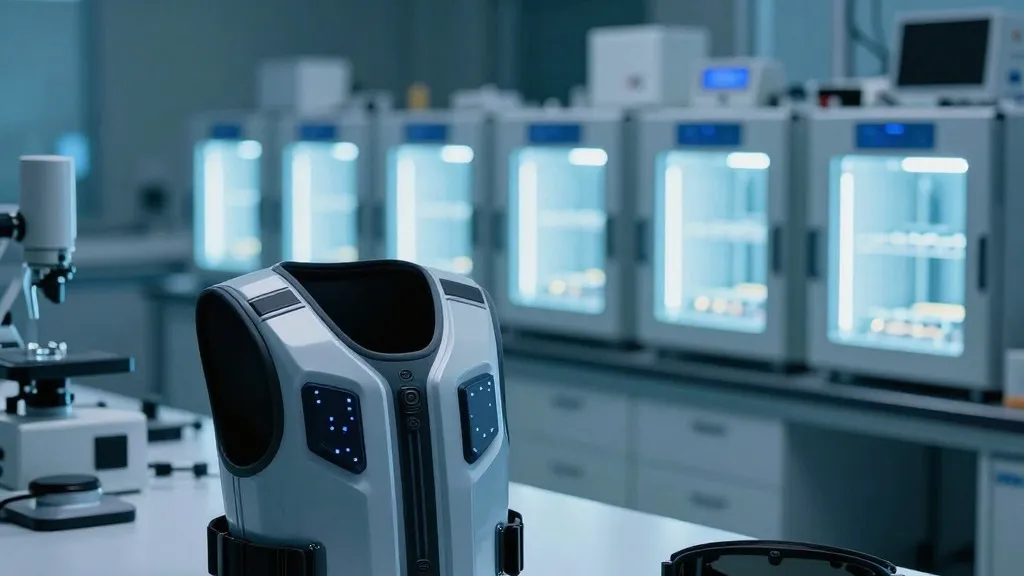
Beyond genetics, the dogs will be equipped with hardware and software provided by Anduril. This gear, which may include protection vests with data sensors and goggles, is designed to improve situational awareness for both the animals and their handlers. Lamm described these additions as enhancements that operate "on top of the dog, not in the dog," aiming to make the animals safer and more effective in the line of duty.
The first batch of genetically edited dogs is scheduled to be cloned and incubated soon, with births expected early next year. Viagen, another company under the Colossal umbrella, will provide the cloning technology, which Lamm says has a high success rate. The company hopes to have these dogs in service within two years, selling them to first responders, the Department of Defense, and police forces.
Open questions remain regarding pricing, as Warhound has not yet determined how much it will charge for the animals. Lamm stated that the company has briefed various government groups on the business plan. While Luckey is a partner in the venture, he owns no equity; Colossal holds equity and licenses its technology to the new firm.
Civilian safety and animal welfare are also under consideration. Warhound is working with the American Humane Society to certify its training program. The Society, which describes itself as grounded in science and ethics, expressed hope that retired dogs from Warhound could enter its Military Working Dog Reunification Program. Lamm assured that each dog will be trained and managed like any standard military working dog.
Source: TechCrunch · original report published