Arab Parties Hold Balance of Power in Israel's Split Election
With no party securing a majority, Arab-led blocs may decide whether Netanyahu or Eisenkot forms the next government.
By Gabriel Fedorov ·
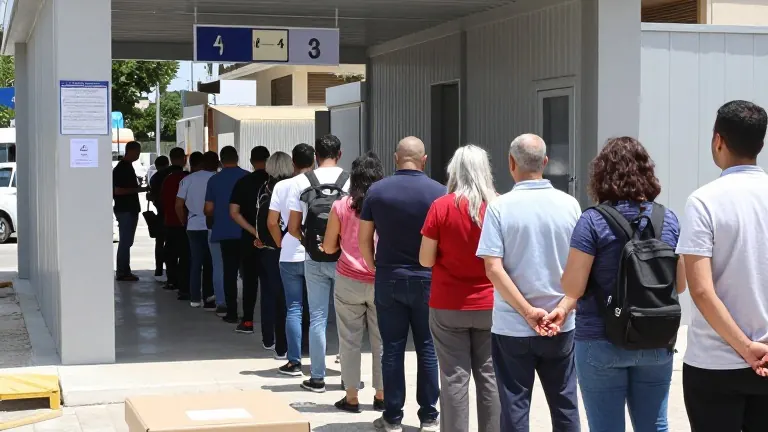
Israelis voted Tuesday in a fragmented race where neither Prime Minister Benjamin Netanyahu nor his main rival, former military chief Gadi Eisenkot, appears poised to command a parliamentary majority. The election marks the first national vote since the Hamas attack of October 7, 2023, and determines whether the country will continue under Netanyahu's leadership or transition to a new administration during ongoing regional conflicts.
The lack of a clear winner forces the political calculation to center on nonaligned Arab parties, which are driving high turnout and may serve as kingmakers. In Israel's system, no single party has ever won an outright majority, requiring leaders to build coalitions. If both major camps fail to secure enough seats, weeks of negotiations could follow before a prime minister is declared, with Arab-led parties potentially deciding which side gains the final votes needed to govern.
Tensions with Iran loom large over the campaign, with Netanyahu intensifying threats against Tehran in the days leading up to the vote. He appeared in a video this week standing next to a missile-defense battery, warning that Iran would face a devastating blow if it attacked Israel. These statements underscore the high stakes of the conflict as voters decide on the next leader to manage foreign relations and domestic security.
The election also serves as a referendum on the identity of the state, pitting religious and ultranationalist forces against liberal and secular values. Netanyahu's supporters view him as a steady hand who has protected Jewish identity and checked the judiciary. His detractors, including Eisenkot's likely partners, argue he has dragged the war in Gaza for political reasons and weakened democratic institutions. Eisenkot, who lost his son and two nephews in Gaza, is presented as a security expert who can restore Israel's international standing and ensure the conscription of ultra-Orthodox men.
Diplomatic pressure has intensified since 2023, with traditional allies in Europe and the United States expressing growing criticism of Israel's conduct in Gaza and the West Bank. Sanctions have been imposed in recent months, and public support among Americans has declined. In Tel Aviv, families of hostages and victims observed a moment of silence before polls opened. Yona Adam, whose daughter Mapal was killed in the 2023 attack, urged voters to remember those whose voices are no more, framing the vote as a chance to chart the country's course after a turbulent four-year term.
Source: KSAT-TV