Netanyahu’s AI Image and Military Friction Define Israel’s Tuesday Election
The campaign concludes with a dispute over an AI-generated nuclear blast and reports of a standoff between the Prime Minister and the Chief of Staff.
By Gabriel Fedorov ·

Israelis will cast ballots on Tuesday to decide who controls the country’s response to Iran, a debate that has consumed the final days of the election campaign. Prime Minister Benjamin Netanyahu frames the vote as a choice between his specific experience and the untested alternatives of his opponents. His rivals argue that his need for political survival has blurred his judgment, creating a crisis of confidence in the top of the state.
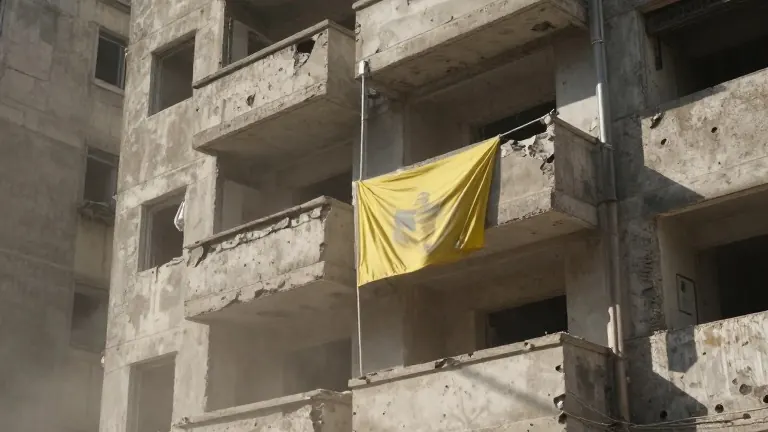
The central conflict emerged on Sunday when Netanyahu shared an AI-generated image of a nuclear explosion over Tel Aviv. He paired the visual with a warning that his defeat could expose Israel to a second Holocaust. This message linked the nation’s survival directly to his continued tenure. It asked voters to accept that decades of institutional alliances and military capabilities are insufficient without him at the helm.
The dispute deepened with a report from N12 News on Sunday night alleging a confrontation between Netanyahu and IDF Chief of Staff Lt.-Gen. Eyal Zamir. The report stated that Zamir resisted an instruction for an undisclosed military operation that defense officials feared could trigger a war with Iran. Zamir reportedly sought further deliberations and requested written documentation concerning the operation's legal authorization. Netanyahu denied any tension with the military’s top brass, but the report provided his opponents with evidence to challenge his control over security decisions.
The timing of the report has fueled suspicion. Critics view it as proof that military professionals are restraining a prime minister driven by political calculation. Skeptics, however, point to the report's anonymous sourcing and its release immediately before the vote. They compare it to a previously contradicted story about an Egyptian intelligence visit before October 7, suggesting the disclosure may serve institutional or political interests rather than pure transparency.
October 7 continues to weigh on the electorate’s ability to place trust. The military and intelligence establishments failed in their assessments and preparations for that day, which complicates any argument for automatic deference to current military leadership. Conversely, Netanyahu bore ultimate political responsibility for security on that date. Voters are now asked to choose between two sets of leaders whose credibility was damaged by the same catastrophe.
The N12 report highlights a specific procedural disagreement rather than a definitive ruling on the legality of an operation. Zamir’s request for written authorization does not inherently prove an operation is unlawful, nor does the disagreement confirm electoral motives. Yet in a polarized electorate, the messenger often determines how the message is received. Those who distrust Netanyahu may credit the military's caution, while those who distrust the media may dismiss the account as strategically timed.
Voters will select parties on Tuesday that will form the next coalition. That government will face issues far beyond the Iranian threat, but the closing arguments have narrowed the focus to a single question of reliability. Netanyahu argues the danger is too great to replace him. His opponents argue it is too great to keep him. The electorate will determine which warning it believes.
Source: The Jerusalem Post