Tesla Delays Optimus Robot Shipments to Late 2027 Citing Hand and AI Hurdles
CEO Elon Musk acknowledges that durability and dexterity issues continue to stall the mass rollout of the company's humanoid workforce.
By Megan Adeyemi ·
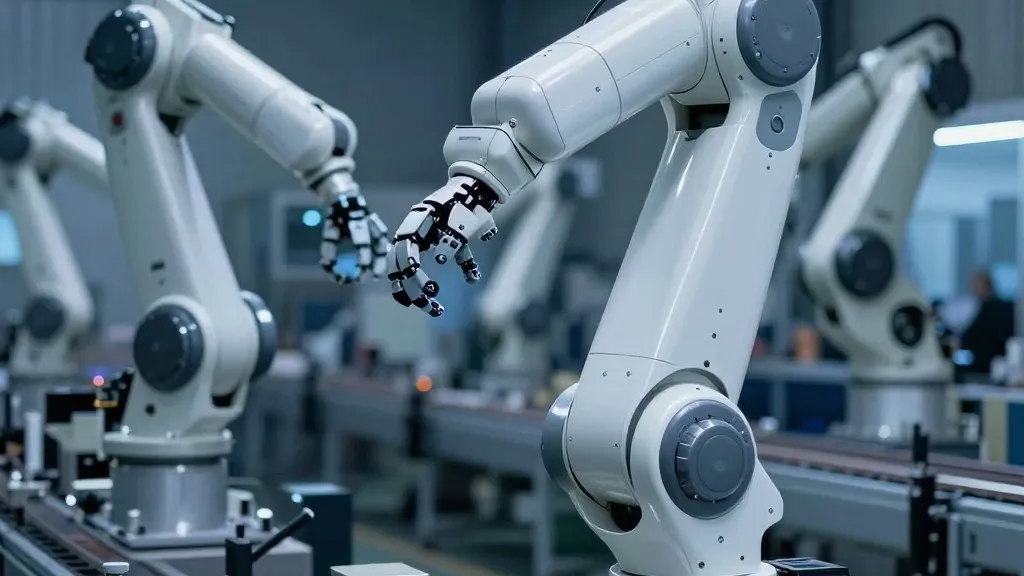
Tesla has officially pushed back the start of external deliveries for its Optimus humanoid robot to the end of 2027, a timeline shift announced by CEO Elon Musk during the company’s Q3 2026 earnings call. The delay is attributed to persistent challenges in three critical areas: the robot’s artificial intelligence, its physical durability, and the complex mechanics of its hands. While Musk maintains that no competitor is close to matching Tesla’s progress, the new schedule places the launch roughly a year later than previous internal targets.
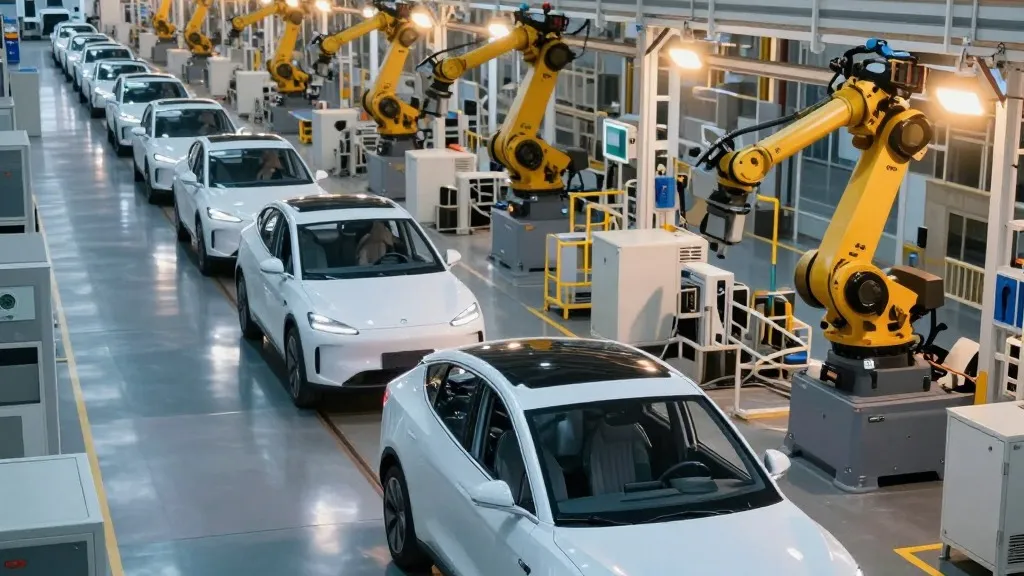
Production of the Optimus has begun on Tesla’s high-volume line in Fremont, California, a facility previously dedicated to the Model S and Model X. Although most of the infrastructure required for an annual output of one million units is now installed, Musk indicated that reaching a production rate of 20,000 units per week will take at least another year. This slower ramp-up is due to ongoing design modifications, particularly regarding the robot’s electromechanical components and reliability. The goal is to ensure the machines do not wear out after just one month of continuous use, a standard necessary for industrial applications involving dangerous or repetitive tasks.
The most significant hardware obstacle remains the robot’s hand. A Tesla Optimus engineer identified the hand as one of the most difficult hardware areas to perfect, citing the need for custom gears that remain reliable under stress. Musk explained that the fingers must be soft enough to manipulate delicate objects yet tough enough to withstand constant abrasion, a challenge compounded by the fact that robots cannot heal like human skin. On the software side, the company is still refining its AI architecture. Unlike its autonomous vehicle fleet, Tesla does not yet have a large network of robots collecting real-world data, so it plans to build 10,000 to 20,000 units for an internal "Optimus Academy" to practice tasks. The AI5 chip is scheduled for integration around April 2027.
This delay follows a pattern of shifting timelines for the Optimus program. In 2024, Musk suggested internal use in 2025 and high-volume external production in 2026. By January 2025, he predicted 10,000 units would be built, with several thousand performing useful work by year’s end, a claim he later retracted. The company’s Q3 shareholder letter now describes the current Fremont output as the first "production-quality" bots, implying that earlier iterations did not meet that standard.
Competitors in the humanoid space are also facing similar hurdles, though their timelines appear comparable or slightly ahead. XPeng activated an automated production line for its IRON robot in Guangzhou in September, with over 80% of core processes automated. XPeng aims for mass production by the end of 2026 and deliveries in the first half of 2027. Meanwhile, Boston Dynamics began producing its electric Atlas in January and has committed all its 2026 deployments, including a partnership with Google DeepMind. Boston Dynamics has also opened a training center in Georgia to teach Atlas to sequence car parts for Hyundai’s assembly lines.
While Musk stated on the earnings call that no one is "even close to Tesla" in general-purpose robotics, the competitive landscape suggests a closer race. Boston Dynamics has adopted a pragmatic approach to hands by prioritizing sturdy grippers for industrial parts over human-like dexterity, effectively bypassing the specific issue holding Tesla back. Tesla promises a video within a month or two showing the robot performing unscripted tasks, a move intended to demonstrate genuine capability beyond pre-programmed routines.
Source: Electrek · original report published