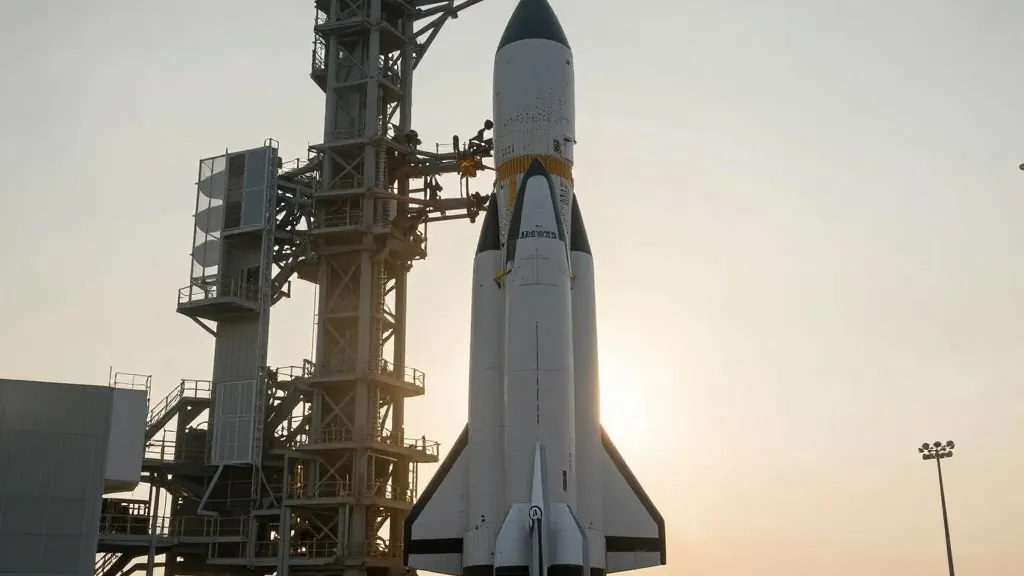
NASA Overhauls Moon Landing Strategy to Meet 2028 Deadline
New docking protocols and simplified launch architectures aim to resolve technical hurdles for SpaceX and Blue Origin as the agency pushes for a rapid return to the lunar surface.
By Noah Dvorak ·
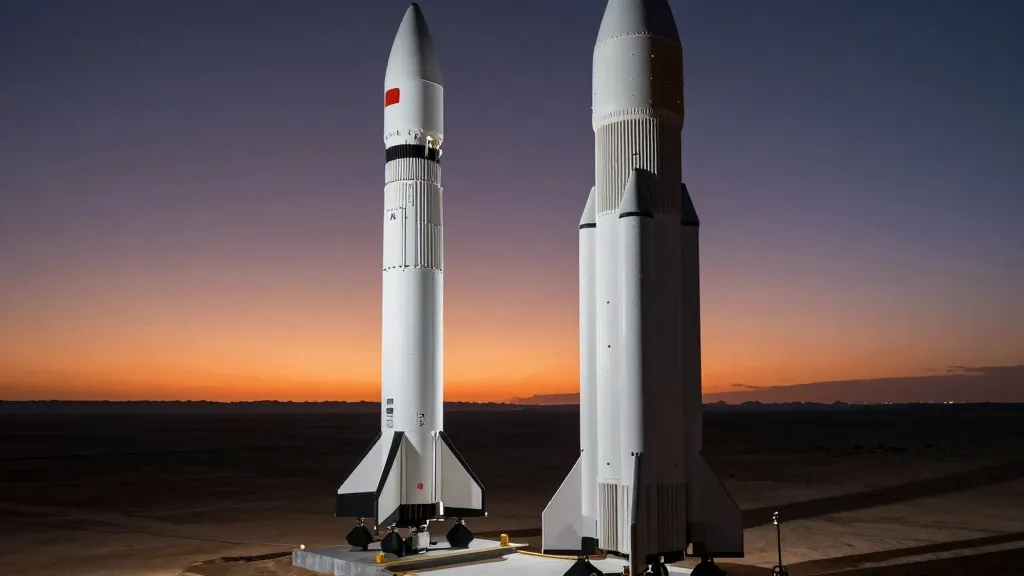
A significant architectural shift in NASA’s Artemis Program has emerged, designed to address persistent technical challenges and accelerate the timeline for returning humans to the Moon. During a comprehensive briefing held on Friday, agency officials outlined a revised plan that targets a lunar surface landing as early as 2028. This update marks the first time NASA has formally detailed these changes, which fundamentally alter how spacecraft will interact in orbit prior to descending to the lunar surface.
The most consequential change involves the docking procedures for SpaceX’s Starship vehicle. Previously, plans required the Orion spacecraft to dock with the Starship lunar lander in a near-rectilinear halo orbit around the Moon. This specific orbital path demanded significantly higher energy expenditure and presented complex navigation difficulties for the engineering teams. The new architecture resolves this by moving the docking event to high-Earth orbit. By completing this critical connection before the vehicles transit to the Moon, NASA removes a major source of technical risk from the mission profile.
Blue Origin’s approach also underwent a distinct revision. The updated plan for the Blue Moon lander now relies on four separate launches of the New Glenn rocket. Notably, this architecture eliminates the need for spacecraft-to-spacecraft refueling operations in space. This simplification reduces the complexity of the mission logistics. Furthermore, the blueprint allows for the possibility of the Blue Moon lander rendezvousing with Orion in low-Lunar orbit, offering a flexible operational framework for the agency.
NASA Administrator Jared Isaacman emphasized the confidence in the new trajectory during the presentation. "This is an achievable path we are on right now," Isaacman stated. "We have the mandate, we have the resources, and the support from our stakeholders to be able to execute, and that’s what we intend to do." His comments reflect a leadership team focused on streamlining processes to ensure the lunar lander companies can execute their roles efficiently.
The agency continues to track toward a "summer" 2027 launch for the Artemis III mission. This upcoming flight will serve as a crucial demonstration, involving docking operations with both the Blue Moon and Starship vehicles near Earth. Following this test, the program aims for the Artemis IV launch in 2028, which is designed to achieve the actual landing on the lunar surface. These dates represent a tight but aggressive schedule that requires flawless execution from multiple partners.
Context for these changes includes the earlier cancellation of the Lunar Gateway project. This decision effectively solved the orbital docking issue for SpaceX by removing the need for the complex halo orbit maneuver. In early 2026, SpaceX engineers had specifically requested the removal of this requirement during their meetings with NASA. The agency’s acceptance of this change highlights a collaborative effort to align mission architecture with the capabilities of the commercial partners.
The revision of these plans follows a period where much of the underlying information had been reported by various outlets. However, the Friday briefing provided the official confirmation and detailed scope of the modifications. This transparency is intended to stabilize expectations and provide clear guidelines for the development teams at SpaceX and Blue Origin.
Looking ahead, the success of the Artemis Program now hinges on the ability of these commercial partners to meet the revised technical specifications. The shift to high-Earth orbit docking and the simplified New Glenn launch sequence are intended to reduce the margin for error. As the program moves into the final stages of preparation, the focus will remain on maintaining the 2028 landing target while ensuring all safety and operational standards are met.
The broader implication of these changes is a more streamlined path to lunar exploration. By addressing the "long-festering" issues with the Orion and Starship integration, NASA aims to clear the way for sustained human presence on the Moon. The next few years will be critical in determining whether this revised architecture holds up under the pressure of actual mission timelines.
Observers will closely watch the upcoming Artemis III mission in 2027 as the first major test of these new protocols. The data gathered from that demonstration will be vital for validating the systems before the full crewed landing attempt in 2028. The agency’s commitment to this updated path signals a decisive move to keep the Artemis Program on track for its historic goals.
Source: Ars Technica · original report published