1.1 Million Shares Back Question on Tesla's 2027 FSD Plan
Tesla has set a new timeline for unsupervised driving, but the feature will initially be limited to specific Robotaxi service areas.
By Noah Dvorak ·
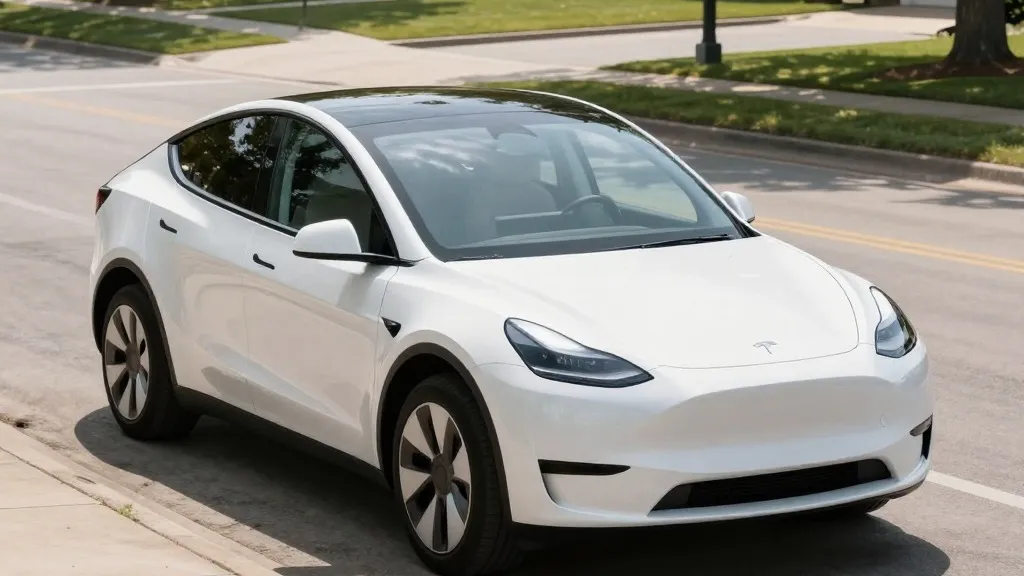
Tesla has set a new target date for its unsupervised driving feature. The company now says the technology will arrive in the second quarter of 2027. This is the latest estimate in a long string of promises made to buyers. The announcement came during the firm's third-quarter 2026 earnings call. Shareholders had a specific question they wanted answered. They wanted to know when their own cars could drive themselves without a human monitoring the system. That query was backed by holders of about 1.1 million shares. It was one of the top retail shareholder questions submitted for the session.
The answer provided by AI chief Ashok Elluswamy was clear. He stated the goal is Q2 2027. However, the context changed the meaning of that date. Elluswamy described the plan as owners adding their vehicles to Tesla’s managed Robotaxi fleet. This is different from a simple software update that lets a driver sleep in the back seat. In this model, Tesla runs the operation. The owner’s car joins the company’s existing network. It does not become a fully independent vehicle that can go anywhere the owner chooses. This distinction is critical for customers who bought the system expecting broader autonomy.
The scope of this initial rollout is geographically limited. Tesla’s Robotaxi service currently operates in six major US metropolitan areas. Most of these service areas cover small slices of those cities. For example, the Miami zone primarily covers West Miami. It also includes a strip toward Doral and Sweetwater. Orlando and Tampa launched their services in July with similarly small geofences. Inside these designated zones, the vehicles stick to low-speed routes. They largely stay off highways and avoid the more complex parts of town. This restriction ensures the system operates within a controlled environment.
The current fleet size remains modest. Tesla reported that its Robotaxi service reached nearly 2 million cumulative unsupervised miles by the end of the third quarter. This milestone came one month after the Cybercab joined the Austin fleet. Third-party tracking data from this spring showed only dozens of fully driverless Teslas on the road. This number is far below the hundreds of thousands Musk has previously discussed. Competitor Waymo was already operating in both Orlando and Tampa before Tesla entered those markets. Waymo has accumulated over 3 million miles in its service area.
California presents a unique regulatory hurdle. In the Bay Area, the service is not yet unsupervised. California rules require a safety driver in every vehicle. Tesla has not released data to the California DMV as required for systems beyond level 2 autonomy. The company prefers not to release this data. This regulatory stance keeps the Bay Area operation under strict supervision. It contrasts with the unsupervised model planned for other regions in 2027. The delay in California highlights the varying pace of adoption across different states.
The original marketing pitch to buyers was different. For years, the promise was a car that would eventually drive itself anywhere through a software update. Musk told investors in July 2025 that unsupervised FSD would be available for personal use by the end of that year in certain geographies. A year earlier, he said he would be surprised if the technology was not available the following year. Owners of the HW3 hardware have already been told their computers cannot run unsupervised FSD. There is no clear upgrade plan for these older vehicles. This leaves a segment of the customer base without a defined path to the new feature.
The current plan narrows the product definition significantly. The target is Q2 2027. The product is your car joining Tesla’s fleet in Tesla’s zones. It operates on Tesla’s terms. This moves the goalpost from a car that drives you anywhere to a car that works as a Robotaxi inside a small geofence. There are no highway road trips in this initial phase. There is no driving home from the airport across town. An unsupervised commute is only possible if the owner lives and works inside one of the designated zones. This is a significant shift from the original vision sold to early adopters.
Elluswamy reiterated that safety remains the primary bottleneck. This is why the company limits itself to low-speed roads and avoids harder environments. He guesses that these safety issues will be fixed by next year. However, he acknowledged that the company does not know for certain when this will happen. The timeline is an estimate based on current progress. It is not a guaranteed date. Investors and customers should view this as a projection rather than a firm commitment. The focus remains on achieving the necessary safety metrics before expanding the service area.
Electric vehicle owners can still reduce costs regardless of the driving mode. Powering a car with home solar can cut fuel costs to nearly zero. Electricity rates rose almost 10% last year and are expected to keep climbing. Going solar is one of the best ways to protect against these rising costs. Lease and PPA options allow for zero upfront cost. This enables immediate savings. Finding the best deal requires comparing installers. A free service can connect owners with pre-vetted providers. This approach can save 20 to 30% compared to going it alone. No sales calls occur until an installer is chosen. Free quotes are available to help owners make informed decisions about their energy setup.
Source: Electrek · original report published